
 Student
 Rose
StudentGeneral Information
| First Name | Rose |
| Last Name | Kelly |
| Username | RoseKelly |
Biography
| Biography |
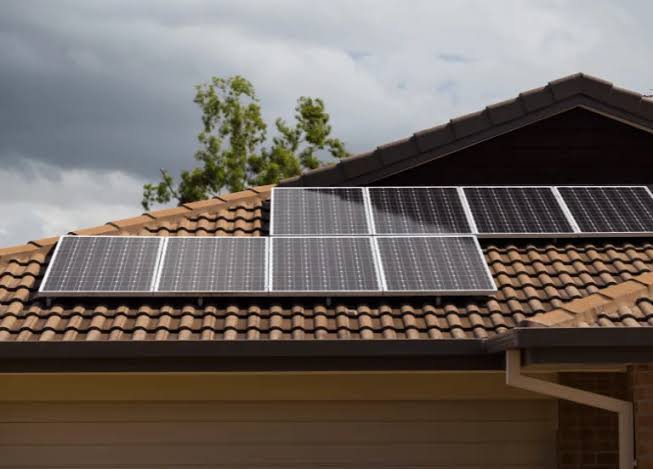
Solar Panels Perth WA: A Smart Choice for Clean Energy Choosing the right solar energy solution can help Perth homeowners and businesses reduce electricity costs while making better use of renewable energy. With abundant sunshine throughout much of the year, Perth is an ideal location for generating power from the sun. Installing solar panels perth wa can provide a practical way to produce clean electricity, reduce dependence on the grid, and improve long-term energy efficiency. Whether you are upgrading an existing energy system or installing solar for the first time, understanding system size, equipment quality, installation standards, and future energy requirements is important. A properly designed solar system can deliver reliable performance for many years and help property owners take greater control of their electricity consumption. Why Solar Energy Makes Sense in Perth Perth receives excellent solar exposure, making rooftop solar a popular option for homes, offices, shops, warehouses, and other properties. Solar technology converts sunlight into electricity that can be used throughout the property. Any suitable surplus energy may also be exported to the electricity grid, depending on the system configuration and applicable arrangements. One of the biggest advantages of solar panels perth wa is the potential to lower daytime electricity consumption from the grid. Homes with high daytime usage can benefit particularly well because appliances, cooling systems, pool equipment, and other electrical devices can operate using energy generated on-site. Solar can also provide greater energy independence. Instead of relying entirely on electricity supplied through the grid, property owners can generate a portion of their own power. When combined with appropriate energy management or storage technology, solar can become an important part of a property’s long-term energy strategy. Selecting the Right Solar System Every property has different electricity requirements, so there is no single solar system that is suitable for everyone. Before installation, factors such as historical electricity usage, roof orientation, available roof space, shading, household habits, and future energy requirements should be considered. A professional assessment can help determine the appropriate system capacity. For example, a household with relatively modest electricity consumption may require a smaller installation, while a larger home with air conditioning, pool equipment, electric appliances, or an electric vehicle may benefit from a higher-capacity system. The quality of the components also matters. Solar panels, inverters, mounting equipment, monitoring systems, and electrical components should be selected according to the property’s requirements and expected performance. Solar Panels for Homes and Businesses Residential properties are not the only places that can benefit from solar power. Businesses across Perth are increasingly considering solar to manage operating expenses and improve energy efficiency. Commercial properties often have substantial daytime electricity demand, which can make solar particularly valuable. Offices, retail businesses, workshops, warehouses, and other commercial facilities may be able to use a significant portion of their generated electricity directly during operating hours. For homeowners, the main objective may be reducing household electricity bills and improving energy independence. For businesses, solar can become part of a broader strategy for managing operating costs and meeting sustainability objectives. This flexibility makes solar panels perth wa suitable for a wide variety of property types and energy requirements. Understanding Solar System Size System size is one of the most important decisions during the solar planning process. A system should be designed around actual electricity consumption rather than simply selecting the largest possible installation. Reviewing previous electricity bills can provide useful information about daily and seasonal consumption. It is also worth considering future changes. For example, a property owner may plan to install an electric vehicle charger, add air conditioning, build an extension, or increase business operations. A correctly sized system can balance generation with consumption while making effective use of available roof space. Professional system design can also identify potential shading problems and determine the most suitable panel layout. Solar Batteries and Energy Storage Solar panels generate electricity when sunlight is available, but electricity demand can continue after sunset. Energy storage can help bridge this difference by storing suitable surplus solar energy for later use. A solar battery can be particularly useful for households that consume significant amounts of electricity in the evening. Instead of sending all excess daytime generation to the grid, stored energy can potentially be used when solar production is low. However, batteries are not automatically necessary for every property. Their suitability depends on electricity usage patterns, system design, available space, budget, and individual energy goals. A detailed assessment can help determine whether storage provides worthwhile value. Solar Inverters and System Performance The inverter is another important part of a solar installation. Solar panels generate electricity in a form that needs to be converted before it can be used by standard household or commercial electrical equipment. A suitable inverter should be matched to the solar array and property requirements. Monitoring functionality can also help property owners understand how much electricity the system is producing and how energy is being consumed. Good system design considers the panels and inverter as a complete solution rather than treating individual components separately. Compatibility, installation quality, warranty considerations, monitoring, and expected operating conditions should all be reviewed before making a decision. Installation Quality Matters Even high-quality solar equipment needs professional installation to perform effectively. Panel positioning, mounting, electrical connections, cable management, system configuration, and safety requirements can all affect the final result. A professional installer should assess the roof structure, available space, shading conditions, electrical requirements, and system layout before installation begins. Correct installation also helps ensure the system operates safely and efficiently. Property owners should look beyond equipment specifications and consider installation experience, workmanship, warranties, customer support, and the quality of the proposed system design. Choosing Solar for Long-Term Value The initial cost of a solar installation is only one part of the decision. Property owners should also consider expected electricity savings, system lifespan, maintenance requirements, energy consumption, and potential future upgrades. Comparing different systems based solely on the lowest upfront cost can be misleading. A slightly different system design may provide better long-term value depending on the property’s electricity usage and available roof space. When comparing solar panels perth wa, homeowners and businesses should examine the complete proposal rather than focusing on one specification. Equipment quality, system capacity, estimated generation, installation standards, warranty coverage, monitoring, and after-sales service should all be considered. Solar for Different Perth Properties Perth properties vary considerably in size, roof design, electricity consumption, and energy requirements. A small residential property may have different needs from a large family home, office, retail premises, or warehouse. Areas such as Ashfield, Balcatta, Bayswater, Belmont, Bentley, Cannington, Carlisle, Churchlands, Dianella, East Perth, Joondanna, Nedlands, Osborne Park, Subiaco, Victoria Park, and West Perth contain a wide range of residential and commercial properties where tailored solar solutions may be considered. The important point is that solar planning should be property-specific. A professional assessment can identify the appropriate configuration instead of relying on a generic package. Making an Informed Solar Decision Before purchasing a system, property owners should review their electricity bills, determine their main energy objectives, inspect available roof space, and consider future electricity needs. It is also useful to compare equipment specifications, warranties, installation services, monitoring options, and expected system performance. A detailed solar quote should clearly explain the proposed system, equipment, installation work, estimated generation, and applicable costs. This makes it easier to compare solutions and understand what is included. For anyone researching solar panels perth wa, taking time to understand these factors can lead to a more suitable investment. Solar is not simply about putting panels on a roof; it is about designing an energy system that works efficiently with the property’s current and future electricity needs. Description Discover reliable solar solutions with a battery, efficient inverter, competitive price, flexible packages, an ev charger, information about the government rebate, a detailed quote, genuine reviews, options including 6.6 kW, solutions for residential and commercial properties, quality panels, tesla storage, fronius, Sungrow, Sigenergy, and experienced local installation support. Conclusion Solar power can be a practical long-term investment for Perth homeowners and businesses looking to improve energy efficiency and reduce reliance on grid electricity. With the right system design, quality equipment, professional installation, and appropriate energy management, solar can provide meaningful benefits over many years. For Perth property owners considering solar panels perth wa, the best approach is to focus on their individual energy consumption, property characteristics, future requirements, and long-term goals. A carefully designed system can turn Perth’s strong solar resource into useful electricity while supporting a more efficient and sustainable approach to energy use. Location:- Location:- Perth https://www.google.com/maps/place/Perth+WA,+Australia/@-32.0396375,115.6318847,82973m https://www.energy.gov.au/solar/financial-benefits-solar/government-rebates-and-loans-solar |