
13 Red Light Therapy Benefits Backed by Science (Most Articles Stop at #3)

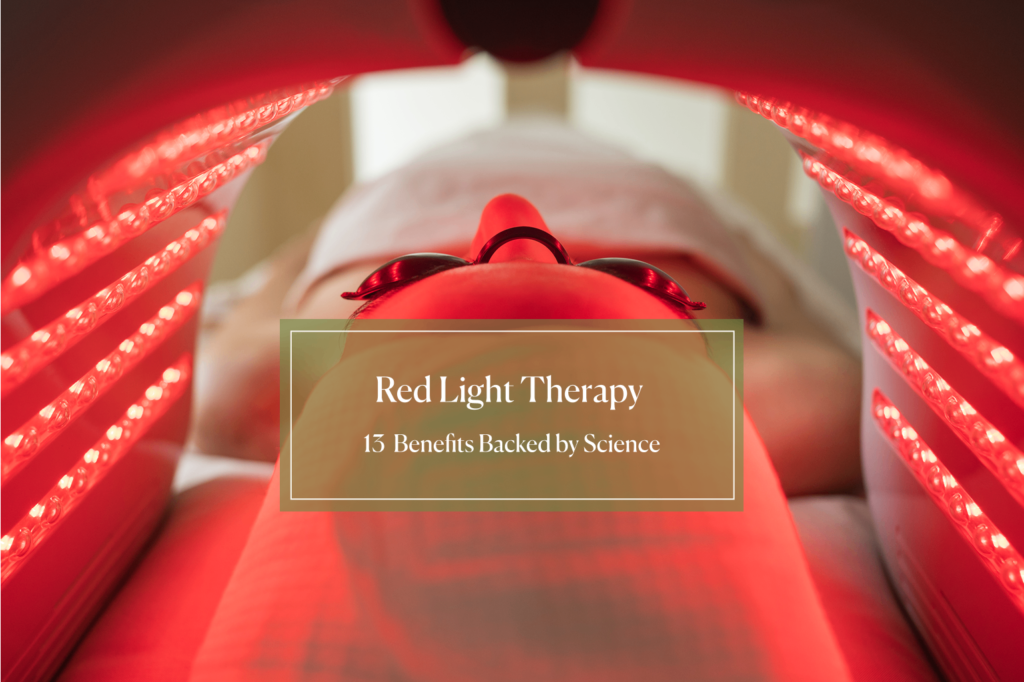
Table of Contents
Search “red light therapy benefits” right now and you’ll find the same article written thirty different ways. Skin rejuvenation. Wound healing. Muscle recovery. The same three studies, the same hedged language — “promising but more research is needed” — and then a convenient link to buy a device. You can practically set a stopwatch to it.
Here’s what’s actually happening: those articles are covering roughly 20% of what the published research supports. The other 80% — clinical data on brain health, thyroid function, depression, the gut microbiome, even vision — almost never makes it into wellness content. Not because the evidence doesn’t exist. It does, from Harvard Medical School, University College London, NASA, and dozens of peer-reviewed journals. It just doesn’t photograph well for Instagram.
This article covers all 13 evidence-based red light therapy benefits, including the ones most wellness blogs quietly skip. But more importantly, it goes beyond “this might help.” Every benefit includes the specific wavelengths involved, the mechanism at the tissue level, and a protocol you can actually use — because knowing something works without knowing how to use it is just trivia.
Why Red Light Therapy Works: The One Mechanism Behind Everything
Before the list, one concept worth understanding — because once you have this mental model, every benefit below will click into place.
Red and near-infrared light (roughly 600–1000nm) penetrates human tissue and gets absorbed by a specific enzyme inside your mitochondria called cytochrome c oxidase (CCO). This enzyme sits at the end of the mitochondrial electron transport chain — the machinery your cells use to make ATP, their primary energy currency. When CCO absorbs photons, it activates, the chain speeds up, and ATP production increases. Nitric oxide that was blocking CCO gets displaced. Oxidative stress drops. Cellular energy goes up.
Every benefit on this list is downstream of that. The tissue type determines which benefit you see — energized skin cells make more collagen, energized neurons fire better, energized thyroid cells produce more hormone. That’s the whole model. Now the list.
Red Light Therapy Benefits
1. Collagen Production and Skin Rejuvenation
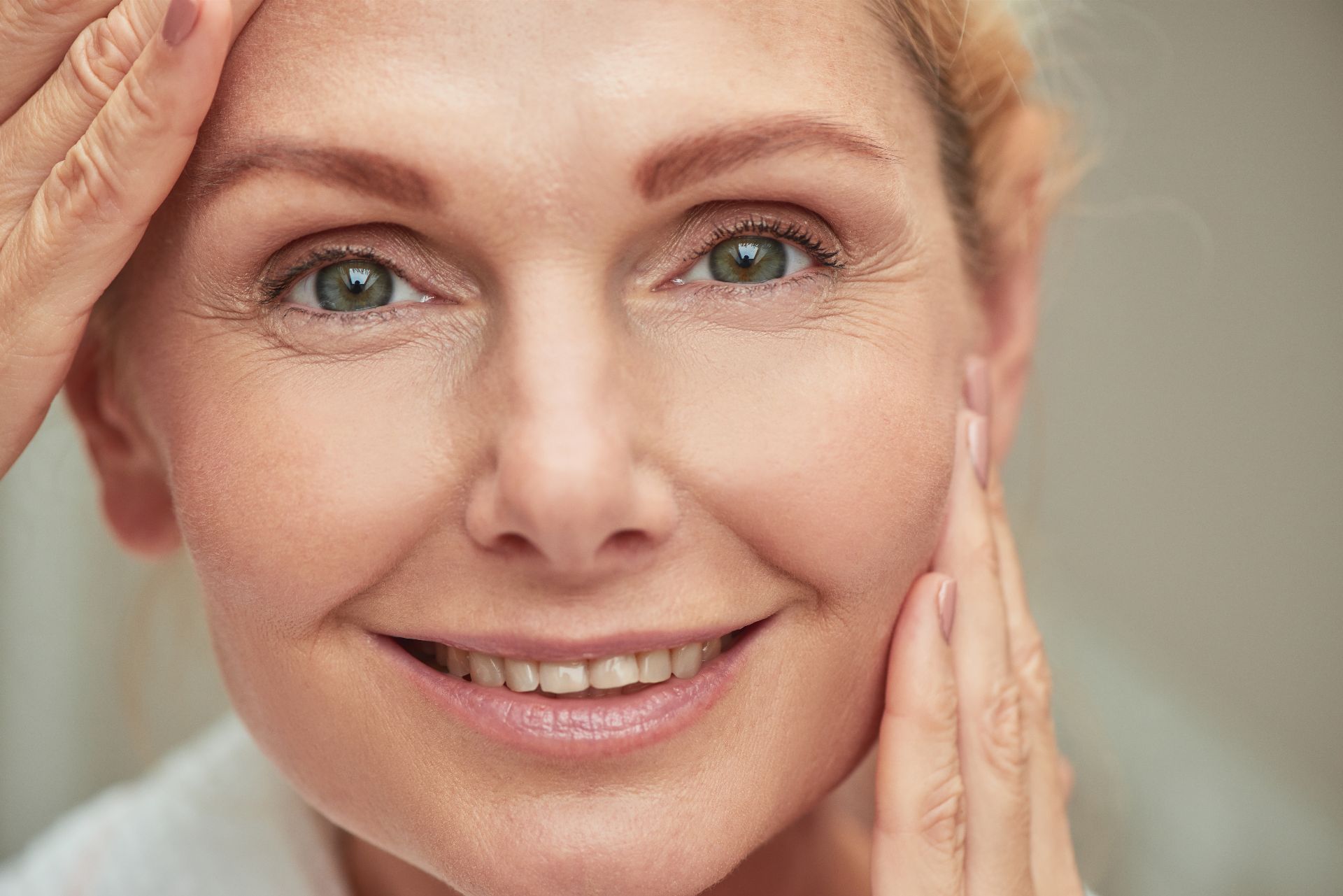
Wavelength: 630–660nm | Target: Dermal fibroblasts
This is the most well known of all the red light therapy benefits — and the evidence is among the strongest of any application, so it earns its place here even if it’s the one everyone already knows about.
Dermal fibroblasts (the cells responsible for producing collagen and elastin) are packed with mitochondria. They respond dramatically to photostimulation. A randomized controlled trial in Photomedicine and Laser Surgery (Wunsch & Matuschka, 2014) had subjects use 633nm and 830nm light twice weekly for 30 sessions. The results: statistically significant improvements in skin complexion, reduced wrinkle depth, and — measured by ultrasound — a 36% increase in collagen density compared to the sham group.
The mechanism is a double win: ATP-energized fibroblasts ramp up procollagen synthesis while simultaneously dialing down matrix metalloproteinases — the enzymes that degrade collagen. More production, less breakdown, at the same time. It’s why dermatologists who use this aren’t surprised by the results.
Protocol: 630–660nm panel, 6–10 inches from face, 10–15 minutes per session, 4–5x per week. Expect visible results at 8–12 weeks — it’s a cumulative process, not an overnight fix.
2. Wound Healing and Post-Surgical Recovery
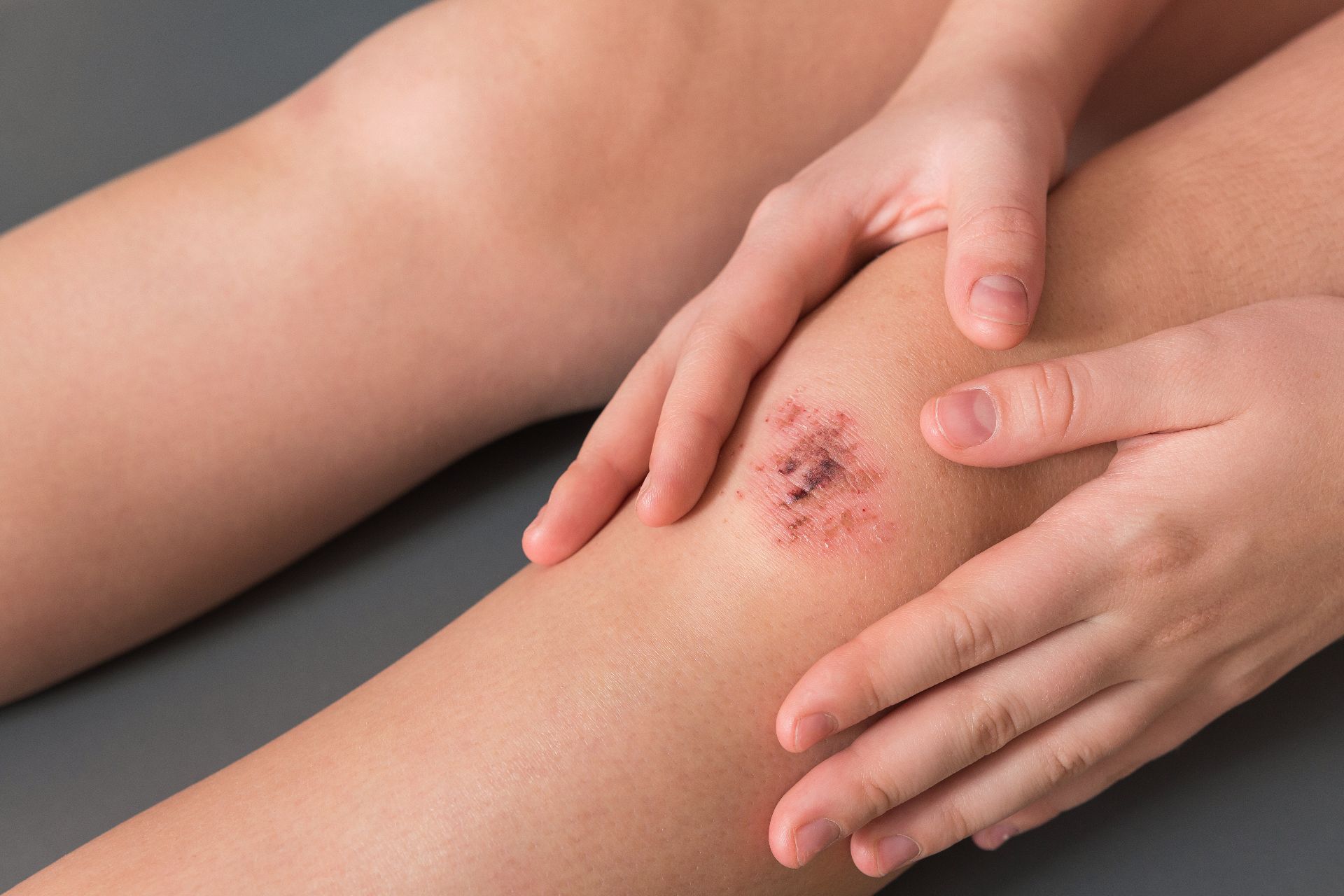
Wavelength: 660nm | Target: Fibroblasts, keratinocytes, immune cells
Red light therapy’s wound-healing credentials predate the entire wellness industry. In the late 1980s, NASA researchers studying plant growth in space noticed something strange: 660nm LEDs were dramatically speeding up wound healing in crew members. That accidental finding launched the modern medical field of photobiomodulation.
What makes this application compelling is the multi-front mechanism. Fibroblasts proliferate and migrate faster. Keratinocytes resurface wounds more quickly. Local immune cells shift toward anti-inflammatory signaling — all at the same time. A 2014 meta-analysis in Photomedicine and Laser Surgery reviewed 24 controlled trials and found significant wound closure acceleration across surgical incisions, diabetic ulcers, and trauma wounds.
This isn’t fringe wellness anymore. Many oral surgeons and dermatologic surgeons now use 660nm panels post-procedure as standard protocol to reduce recovery time and minimize scarring.
Protocol: 660nm directly over the wound site (avoid eye contact), 10 minutes, 1–2x daily during active healing. Remove any bandaging during treatment — light can’t penetrate most wound dressings.
3. Muscle Recovery and Athletic Performance

Wavelength: 830–850nm near-infrared | Target: Skeletal muscle
Here’s a detail that most articles get wrong: for muscle recovery, you want near-infrared (830–850nm), not the red wavelengths (630–660nm) that dominate most device marketing. NIR penetrates through skin and fat to actually reach muscle tissue. Red light, for all its benefits, doesn’t get there.
A double-blind RCT in the Journal of Athletic Training (Ferraresi et al., 2016) had subjects use 850nm photobiomodulation before resistance training for 12 weeks. The near-infrared group improved muscle performance by 50%. The control group improved by 30%. That gap — 50% vs 30% — is the difference photobiomodulation made on top of the same training program. Post-exercise application separately reduced markers of DOMS including creatine kinase and inflammatory cytokines within 24 hours.
For competitive athletes keeping an eye on this: photobiomodulation is not on the WADA prohibited list. Several Premier League clubs and NFL teams have quietly integrated near-infrared panels into their recovery rooms.
Protocol: 830–850nm, 6–12 inches from the target muscle, 10–20 minutes. Pre-workout (15–20 min before) primes mitochondria for performance. Post-workout (within 30 min) reduces inflammation. Pre-workout shows stronger performance effects; post-workout shows stronger recovery effects. Pick based on your priority.
4. Joint Pain and Inflammation Reduction

Wavelength: 660nm + 850nm | Target: Synovial tissue, cartilage
If you know someone with rheumatoid arthritis who’s skeptical of anything in the “wellness” category — this is the benefit to show them. Joint pain relief is one of the most clinically validated red light therapy applications in existence, with a publication record that goes back decades and includes top-tier journals.
A Cochrane-style systematic review in The Lancet (Bjordal et al., 2008) analyzed 16 randomized trials on low-level laser therapy for rheumatoid arthritis. The finding: significant short-term pain relief and reduced morning stiffness, with effect sizes comparable to NSAIDs — without the gastrointestinal side effects. The mechanism is anti-inflammatory at the molecular level: photobiomodulation reduces prostaglandin E2, TNF-α, and interleukin-1β, the key inflammatory mediators driving joint pain in both osteoarthritis and rheumatoid arthritis.
For deeper joints — knees, hips, shoulders — near-infrared (850nm) does the heavy lifting on penetration. Red light (660nm) handles surface inflammation. Use both.
Protocol: 850nm primary, 660nm secondary. Direct contact or within 2–4 inches of the joint. 15–20 minutes per area. 5x per week during flares, 3x per week for maintenance. Cumulative anti-inflammatory effects build over 4–8 weeks of consistent use.
5. Hair Regrowth
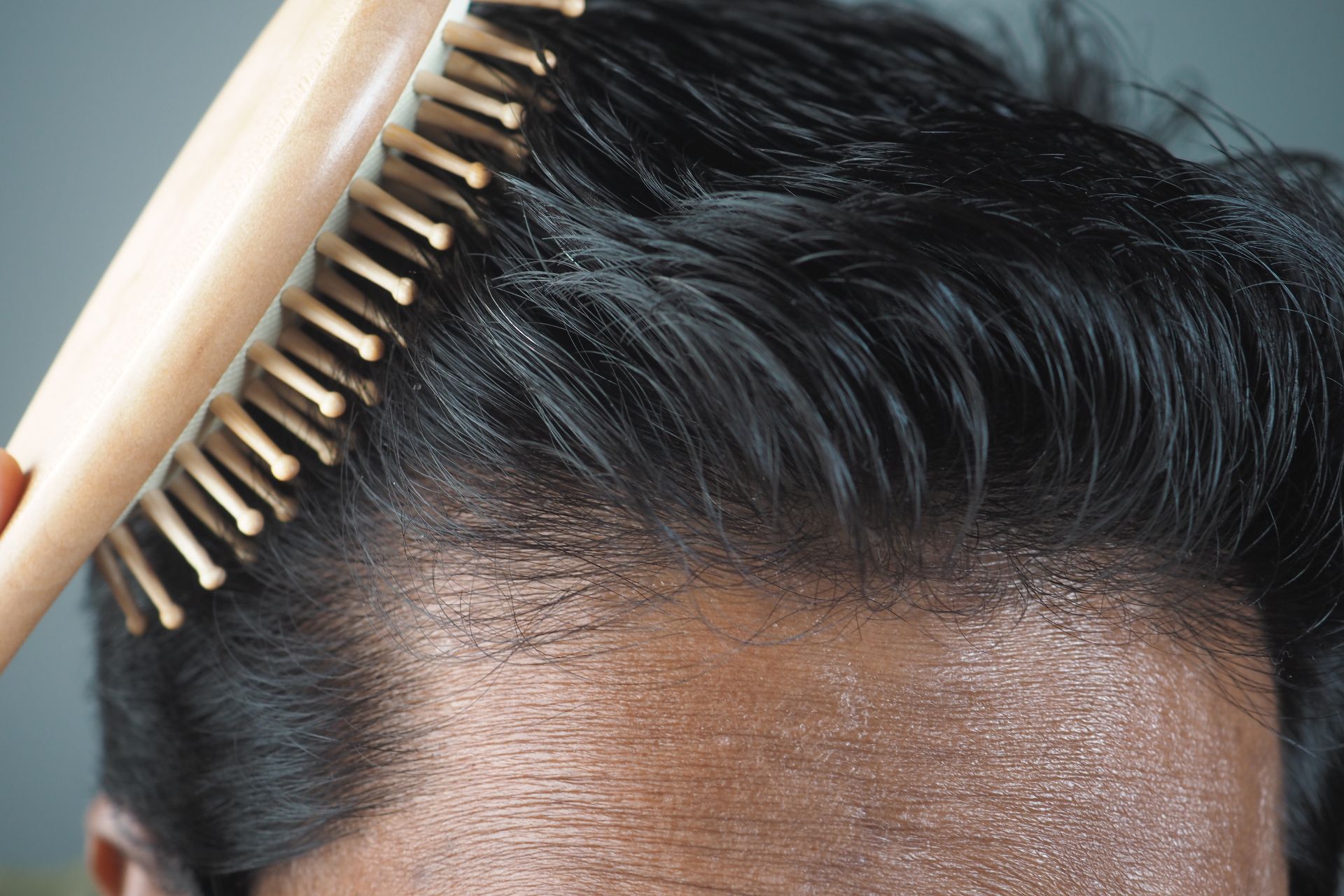
Wavelength: 650–670nm | Target: Hair follicle stem cells
This one has the regulatory stamp of approval that most people don’t know about. Low-level laser therapy at 650–670nm is FDA-cleared for androgenic alopecia (pattern hair loss) — multiple helmet and panel devices have received FDA 510(k) clearance in both men and women.
The mechanism connects directly to the mitochondrial model. In androgenic alopecia, follicles spend progressively more time in the telogen (resting) phase and produce progressively thinner hairs. Photobiomodulation at 650–670nm extends the anagen (active growth) phase by stimulating follicle stem cell metabolism. A randomized, double-blind, sham-controlled trial (Lanzafame et al., 2013) found a 35% increase in hair density at 26 weeks in women using a 655nm helmet device. Kim et al. (2015) found comparable results in men with mild to moderate androgenic alopecia.
One important caveat: this does not work for alopecia areata (autoimmune-origin hair loss). Different cause, different mechanism, different intervention needed.
Protocol: 650–670nm, helmet or overhead panel at close range (1–2 inches), 15–25 minutes, 3x per week. Minimum 3–6 months of consistent use before expecting meaningful density changes. Patience is mandatory here.
6. Thyroid Function and Hashimoto’s Disease
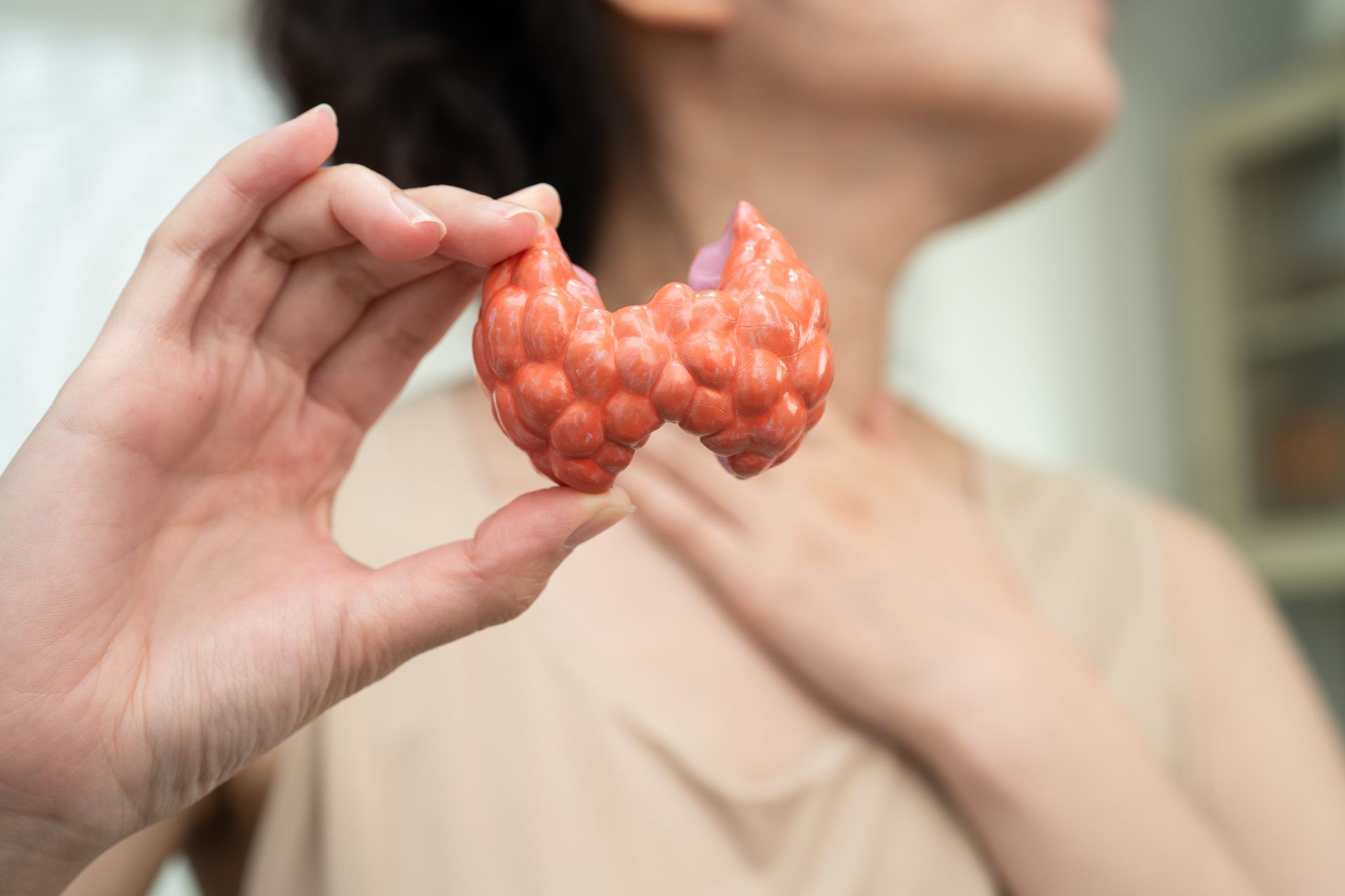
Wavelength: 830nm | Target: Thyroid gland (anterior neck)
This is the benefit that practically no wellness content covers — and the research behind it is, frankly, remarkable. A series of studies out of Brazil produced data that would be extraordinary for any pharmaceutical, let alone a light device.
In a 2013 randomized controlled trial published in Lasers in Surgery and Medicine, 43 patients with chronic autoimmune thyroiditis (Hashimoto’s) received either 830nm photobiomodulation to the thyroid area or sham treatment, twice weekly for 10 weeks. At follow-up: 47% of the treatment group discontinued levothyroxine entirely. Zero percent of the control group did. Thyroid volume increased — indicating actual tissue regeneration — and TPO antibody levels dropped significantly.
A 6-year follow-up study (Photobiomodulation, Photomedicine, and Laser Surgery, 2019) found that the majority of responding patients maintained reduced medication requirements years after treatment. Bianco’s research team has also found that a single course of photobiomodulation is approximately 70x more effective than selenium supplementation for normalizing T3/T4 ratios — selenium being the standard nutritional go-to for Hashimoto’s management.
These are extraordinary numbers. Which is why it’s strange that this research is almost entirely absent from mainstream coverage of red light therapy.
Protocol: 830nm applied directly to the anterior neck over the thyroid, 10 minutes per session, 2–3x per week. This is a therapeutic application to discuss with your physician — and critically, do not self-discontinue thyroid medication without medical supervision.
7. Brain Health and Cognitive Function

Wavelength: 810–850nm transcranial | Target: Cerebral cortex neurons
Transcranial photobiomodulation — applying near-infrared light to the skull to stimulate neurons — sounds like science fiction. Massachusetts General Hospital has been studying it seriously since the mid-2000s. It isn’t fiction.
The rationale is straightforward once you understand the mechanism. Neurons are among the most mitochondria-dense cells in the entire body. In aging, neurodegeneration, and traumatic brain injury, mitochondrial dysfunction shows up early and prominently. Near-infrared at 810–850nm penetrates the skull — fMRI studies confirm increased cerebral blood flow and oxygenation following transcranial application — and stimulates neuronal mitochondria via cytochrome c oxidase, the same pathway as every other application on this list.
Dr. Margaret Naeser at VA Boston (2011) published a case series showing meaningful cognitive improvements in chronic TBI patients who had plateaued in conventional rehabilitation. An RCT by Vargas et al. (2017) found improvements in executive function and sustained attention in healthy adults after a single transcranial PBM session. Research groups at UT Austin and Cambridge have since replicated cognitive benefits. In Alzheimer’s research, a proof-of-concept study using combined transcranial and intranasal near-infrared found improved cognitive function scores at 12 weeks in mild-to-moderate patients.
Protocol: 810–850nm applied to the scalp via panel or helmet, 20–30 minutes, 3x per week. Forehead placement targets prefrontal cortex (executive function, mood). Crown placement targets parietal and motor cortex. Still an emerging application — promising mechanism, early-but-consistent data, not yet at the evidence level of wound healing or arthritis.
8. Depression and Mood Regulation

Wavelength: 810nm transcranial | Target: Prefrontal cortex
Treatment-resistant depression — cases that haven’t responded to two or more antidepressant medications — is one of the most difficult clinical challenges in psychiatry. Options are limited, invasive, or both. Which makes the transcranial photobiomodulation data genuinely interesting.
A 2024 meta-analysis in Frontiers in Psychiatry reviewed 8 randomized controlled trials of tPBM for depression. Result: statistically significant reductions in depressive symptoms across studies, moderate effect sizes, with several trials specifically enrolling treatment-resistant patients. Harvard, UT Austin, and European research centers are actively running clinical trials on this application right now.
The mechanism likely runs through several pathways simultaneously: improved mitochondrial function in prefrontal neurons, increased serotonin synthesis (tryptophan hydroxylase activity is ATP-dependent, so more ATP means more serotonin production), modulation of the default mode network, anti-inflammatory effects in the CNS, and increased BDNF — a key molecule in neuroplasticity and antidepressant response. That’s not one mechanism. That’s five, all operating in the same direction.
Protocol: 810nm, transcranial application over the forehead (prefrontal cortex), 20–30 minutes, 3–5x per week. Some research protocols use 40Hz pulsed light specifically for depression. Adjunctive, not a replacement for existing treatment.
9. Sleep Quality

Wavelength: 630nm | Target: Pineal gland signaling, circadian rhythm
The sleep application has two layers — a passive one that’s underappreciated and an active one that most people don’t know exists.
Passively: 630nm red light in the evening does not suppress melatonin the way blue light does. Your overhead white LEDs and phone screen are actively blunting the melatonin rise your brain needs to initiate sleep. Red light isn’t. Simply swapping your evening lighting to 630nm red panels removes a daily obstacle your brain is fighting against without you knowing it.
Actively: a small but rigorous RCT (Zhao et al., 2012, Journal of Athletic Training) took competitive athletes with documented sleep quality issues and gave them 30 minutes of 630nm full-body light exposure each night for 14 days. Results included improved sleep quality scores, increased melatonin levels, and better next-day endurance performance. It wasn’t just the absence of blue light doing the work.
There’s also a morning component: early red and near-infrared light exposure helps entrain the circadian clock by stimulating retinal ganglion cells without the cortisol-disrupting effects of high-intensity blue light. Morning light and evening light, different wavelengths, working together on the same system.
Protocol: 630nm, evening use within 2–3 hours of intended sleep, 10–20 minutes. Replace overhead lighting with red panels during evening hours. No blue light during this window if you want the full effect.
10. Eye Health and Vision
Wavelength: 670nm | Target: Retinal mitochondria — MORNING USE ONLY
This benefit comes with a critical caveat that almost no one mentions — and the omission matters, because getting the timing wrong can harm the tissue you’re trying to help.
A landmark 2021 study from University College London (Shinhmar et al., Journals of Gerontology) tested something surprisingly simple: 3 minutes of 670nm light each morning for 2 weeks. In participants over 40, color contrast sensitivity — a visual acuity metric that declines with age due to retinal mitochondrial dysfunction — improved by 17%. The improvement persisted for a week after the treatment period ended, from just 3 minutes a day.
The mechanism is mitochondrial timing. The retina is the most metabolically active tissue in the body by weight, and retinal mitochondria follow a circadian rhythm in their metabolic efficiency — they peak in the morning. 670nm light amplifies a system already running at high capacity. The same light in the afternoon or evening hits retinal mitochondria during their low-efficiency window and can produce oxidative stress instead of benefit. Glen Jeffery, the UCL lead researcher, has described afternoon 670nm use as potentially damaging to the retinal cells you’re trying to protect.
Morning only. Three minutes. This is one of the most specific protocols on this list — and one of the most important to follow precisely.
Protocol: 670nm, 3 minutes, within 3 hours of waking, eyes open but not staring directly at the source. Morning only, strictly. Do not use in the afternoon or evening.
11. Testosterone and Male Hormonal Health

Wavelength: 630–850nm | Target: Leydig cells
This one is early-stage — so let’s be honest about that upfront — but the mechanism is coherent enough to be worth including.
Testosterone production depends on Leydig cells in the testes, which are unusually mitochondria-rich. Testosterone synthesis begins with the mitochondrial conversion of cholesterol to pregnenolone — a step that is directly ATP-dependent. That means Leydig cells follow the exact same logic as every other application on this list: more cellular energy, more hormone production.
A 2013 animal study found significant testosterone increases in rats following red light exposure to the testicular area. Human data is limited but trending consistent: researchers at Clinica Tambre in Madrid reported increased testosterone in men undergoing low-intensity laser therapy as part of fertility treatments. The risk profile is low and the adjacent evidence is coherent — but this application warrants honest calibration against the stronger entries on this list. This is a “watch the research” entry, not a proven protocol.
Protocol: 630–850nm, inguinal or lower abdominal application, 10–20 minutes, 3–5x per week. Morning timing has been suggested based on testosterone’s diurnal peak, though this hasn’t been formally tested.
12. Gut Microbiome Modulation (Photobiomics)
Wavelength: 670nm abdominal | Target: Intestinal epithelium, gut microbiota
“Photobiomics” is a term that didn’t exist five years ago. The field — studying how light affects gut microbial communities — is genuinely new, and the implications of early findings are striking enough that it belongs on this list even with limited human clinical data.
A 2019 review in Photobiomodulation, Photomedicine, and Laser Surgery documented that transcutaneous abdominal light exposure at 670nm altered gut microbiome composition in animal models — increasing populations of beneficial bacteria including Lactobacillus and Bifidobacterium, while reducing inflammatory pathobionts. The proposed mechanism: photobiomodulation reduces intestinal oxidative stress and improves mitochondrial function in intestinal epithelial cells, changing the mucosal environment that shapes which bacteria thrive.
The most intriguing thread in this research is the Parkinson’s connection. Gut dysbiosis precedes motor symptoms in Parkinson’s by years, and Australian research groups studying transabdominal near-infrared have found reductions in gut inflammation in Parkinson’s patients — potentially influencing the vagus nerve pathway through which gut microbiome composition affects neurological function. The gut-brain axis, photostimulated. It’s early, but it’s not fringe.
Protocol: 670nm (some protocols use 810–850nm for deeper penetration), applied to the abdomen, 10–20 minutes, 3–5x per week. One of the more preliminary applications on this list — the mechanism is coherent and animal data is strong, but human clinical evidence is still developing.
13. Weight Loss and Metabolic Function

Wavelength: 635nm | Target: Adipocytes
The weight loss application is the most commercially over-hyped and most scientifically misunderstood benefit on this list. So let’s be precise about what’s actually happening — because once you understand the mechanism, the hype evaporates and a more interesting (and usable) truth emerges.
635nm red light has a specific, well-documented effect on adipocytes: it creates transient pores in the cell membrane, allowing stored triglycerides to leak out into the interstitial space where they can be metabolized. This has been confirmed in multiple studies. But here’s the catch — those liberated triglycerides need to be burned. Without exercise in the 30–60 minutes following a session, they’re simply reabsorbed. Red light therapy does not burn fat at rest. It liberates fat for burning.
A double-blind RCT (Caruso-Davis et al., 2011, Lasers in Surgery and Medicine) found that subjects using 635nm treatment combined with moderate exercise lost significantly more body fat over 4 weeks than those exercising alone. The effect was concentrated in treated areas, suggesting localized fat mobilization rather than systemic metabolic change. Used correctly, as a pre-exercise protocol, the research is legitimately interesting. Used as a passive fat-loss tool, it doesn’t work.
Protocol: 635nm, applied to target area, 10–20 minutes, immediately followed by 20–30 minutes of moderate aerobic exercise. Without the exercise component, clinical benefit is minimal. 3–5x per week during active fat loss phase.
Red Light Therapy Wavelength Quick-Reference
Not all red light is the same. The wavelength determines where light penetrates and what it does once it gets there:
| Wavelength | Penetration | Primary Target | Key Benefits |
| 630–660nm | 1–3mm (skin surface) | Epidermis, dermal fibroblasts | Skin, collagen, wound healing, hair regrowth, sleep (evening) |
| 670nm | 2–3mm (dermis) | Retinal cells, gut epithelium, adipocytes | Vision (morning only), gut microbiome, fat mobilization |
| 810–850nm | 20–30mm (deep tissue) | Muscle, joints, brain, thyroid | Recovery, joint pain, cognition, thyroid, depression |
| 900–1000nm | 40mm+ (very deep) | Bone, deep fascia | Bone healing, deep injury (clinical devices) |
How to Use Red Light Therapy: Protocol Basics
The most common mistake with red light therapy is inconsistency. The mitochondrial effects are cumulative — they develop over weeks of regular use and fade without maintenance. A device you use twice will do nothing. A protocol you follow for 8 weeks will produce measurable changes. That’s not a motivational statement, it’s how the biology works.
Distance: 6–12 inches from the panel for most applications. Closer (2–4 inches) for joints and dense tissue. Contact or near-contact for wound healing.
Session duration: 10–20 minutes per area. More is not always better — there’s a biphasic dose-response curve (the Arndt-Schulz law). Too little = insufficient stimulation. Too much = inhibitory effect. Most research clusters in the 10–20 minute range at standard panel irradiance.
Frequency: 3–5 sessions per week for therapeutic applications. Daily use is fine but adds diminishing returns beyond 5x/week for most people.
Timing: Morning for eye health (strictly). Pre or post-workout for muscle recovery. Evening red-only for sleep. Consistency matters more than any other scheduling variable.
Eye protection: Near-infrared (>700nm) is invisible and won’t trigger the blink reflex. Use appropriate eye protection for NIR applications. For the 670nm morning eye protocol: eyes open, not staring directly at the source.
Device quality: Irradiance (mW/cm²) varies enormously between consumer devices. A low-powered wand and a full panel at the same wavelength produce dramatically different results. Look for panels with published irradiance data and compare at your intended treatment distance before purchasing.
Integrating Photobiomodulation Into Wellness Practice
Red light therapy has moved well beyond the wellness device market. Practitioners in functional medicine, physical therapy, sports medicine, and integrative health are increasingly incorporating photobiomodulation as a primary or adjunctive tool — particularly for thyroid conditions, neurological support, pain management, and recovery protocols where conventional options are limited or carry significant side effect profiles.
If you’re a health practitioner looking to build your evidence-based toolkit — including photobiomodulation alongside nutrition science, herbal medicine, and lifestyle medicine — Scholistico’s Holistic Health, and Naturopathy practitioner certification courses are built specifically for this. Programs cover the mechanisms, clinical applications, and practical protocols for integrative modalities that are increasingly in demand among health-conscious patients.
The Bottom Line on Red Light Therapy Benefits
Red light therapy is not a cure-all. It’s a tool with specific mechanisms, specific wavelength requirements, and specific use cases — some with two decades of rigorous clinical backing, others at promising but early stages. The difference between the genuinely useful applications and the hype is mechanism clarity and protocol specificity.
Mitochondrial photostimulation via cytochrome c oxidase is a real biological phenomenon with measurable downstream effects. Every benefit on this list traces back to that mechanism in tissue types where it’s been studied. The three benefits filling most listicles — skin, wound healing, muscle recovery — are real and well-supported. So are the ten others.
The research is deeper than wellness culture has let on. Use this as your complete picture. Use the protocols to do something with it.







Responses