
How to Naturally Calm Anxiety: 9 Root-Cause Practices That Work

Table of Contents
The doctor wrote the prescription. Maybe SSRIs, maybe benzodiazepines, maybe both. The pill helped — for a while. Then the dose stopped working. Then the side effects started. Then came the question every long-term anxiety patient eventually asks: is this really all there is?
If you’re searching for how to naturally calm anxiety, you’ve probably already noticed something the pharmaceutical model doesn’t want to confirm. The medication isn’t healing the anxiety. It’s masking it. It’s adjusting a symptom while leaving the underlying system that produces the anxiety completely untouched.
Anxiety rates have risen dramatically over the past forty years, particularly among young adults. The number of people on anti-anxiety medication has grown in lockstep. If pharmaceuticals were addressing the root cause, prevalence would decline, not climb. It hasn’t. The medicines don’t heal the system. They quiet the alarm.
There’s a better question to ask. Not how do I shut off the alarm, but why is the alarm going off in the first place — and what can I do to change that.
The answer turns out to be unglamorous and deeply unfashionable. Chronic anxiety in the modern world is what happens when a nervous system designed for one kind of life is forced to operate inside a fundamentally incompatible one. The body is doing exactly what evolution designed it to do. The environment is the part that has changed.
Read that again. Your nervous system is not malfunctioning. It is reading the modern environment accurately and responding to it correctly. The reason the medication doesn’t fix anything is that there is nothing in you to fix. The fix lives somewhere else.
This article is for people who want to know how to naturally calm anxiety by understanding that mismatch and doing something about it. It will not tell you that all anxiety is bad — some anxiety is essential, adaptive, and useful. It will distinguish that healthy anxiety from the chronic, dysregulated kind that hijacks your life. And it will give you nine evidence-backed practices that address the root causes of that dysregulation, not just the symptoms.
You already half-know most of them. The famous ones are famous because they work. We’ll cover those honestly. But you’ll also find one practice on the list that almost everyone underestimates dramatically — a practice with peer-reviewed evidence rivaling some of the most prescribed interventions, available to anyone, regardless of skill. It’s the one nobody talks about. We’ll get to it.
Healthy Anxiety vs. Chronic Anxiety: The Distinction That Matters

Anxiety itself is not a disorder. It is one of the most useful psychological adaptations the human brain ever evolved. Anxiety is what makes you check the lock at night, prepare for the interview, study for the test, avoid the dark alley, and protect the people who depend on you. A life entirely without anxiety would not be peaceful — it would be reckless.
The problem is not anxiety. The problem is when anxiety stops functioning the way it was designed to function.
Healthy anxiety has specific features. It is situation-specific — it rises in response to an actual threat or challenge. It is proportionate — the intensity roughly matches the stakes. It is time-limited — it resolves when the situation resolves. It is useful — it focuses attention, mobilizes energy, and improves performance under pressure. Once the threat passes, the system returns to baseline. You feel relief, not residue.
Chronic or dysfunctional anxiety operates differently. It is no longer tied to specific threats. It is persistent — present most days, often without an identifiable trigger. It is disproportionate — minor stressors produce major activation. It is intrusive — it interferes with sleep, concentration, relationships, and basic function. It does not respond to situational resolution; resolving one worry surfaces another. It exhausts the system rather than mobilizing it.
The clinical name is generalized anxiety disorder when it meets specific diagnostic criteria — excessive worry on more days than not for six months or longer, accompanied by physical and cognitive symptoms. But chronic anxiety exists on a spectrum that includes plenty of people who would not meet GAD criteria yet are clearly not living with a healthy stress response. This article is for that broader population.
When You Need a Doctor, Not an Article

The practices below are for the broader population of people experiencing chronic, low-to-moderate anxiety driven by lifestyle, nervous system dysregulation, and modern environmental mismatch. They are not for everyone. Some anxiety presentations require immediate medical evaluation. Before applying anything below, rule these out:
- Panic attacks accompanied by chest pain, difficulty breathing, or loss of consciousness — get evaluated to rule out cardiac causes.
- Suicidal thoughts or self-harm urges — this requires professional support immediately. In the US and Canada, call or text 988 for the Suicide & Crisis Lifeline.
- Severe panic disorder with frequent attacks that prevent you from leaving the house, working, or maintaining relationships — treatable, but typically requires a clinician.
- Anxiety that has emerged suddenly without obvious cause, particularly with physical symptoms (palpitations, tremor, unexplained weight loss, sweating) — get medical workup to rule out thyroid dysfunction, cardiac arrhythmia, or other physical causes.
- PTSD or trauma-driven anxiety — the practices below can support recovery but are not a substitute for trauma-specific care. EMDR, somatic experiencing, and trauma-informed therapy belong in the protocol.
- Anxiety combined with active substance use or addiction — the two interact, and treating one without the other generally fails.
- OCD with distressing intrusive thoughts — has specific evidence-based treatment (exposure and response prevention) that the general practices here will not replicate.
- New severe anxiety in adults over 60 — get a medical workup; new-onset late-life anxiety sometimes signals other conditions.
If none of these apply, the rest of this article — focused on how to naturally calm anxiety at its root — is written for you.
The Real Drivers of Chronic Anxiety
The pharmaceutical model treats chronic anxiety as a chemical imbalance in the brain — too little serotonin, too much glutamate, dysregulated GABA. There is some truth to this at the neurochemical level. There is also a much deeper truth the model misses: those neurochemical states are downstream effects, not root causes. Something is driving the nervous system into the dysregulated state. The medication doesn’t fix the driver. It turns down the alarm the driver is producing.
Several specific drivers, working together, explain most of the modern chronic anxiety epidemic.
Chronic sympathetic activation. Your nervous system was designed to cycle between activation (sympathetic, fight-or-flight) and recovery (parasympathetic, rest-and-digest). Modern life keeps the sympathetic system perpetually engaged through constant low-grade threats — notifications, deadlines, traffic, financial pressure, screen stimulation, news. The recovery cycle never fully completes. The system stays primed for danger.
Sleep deprivation. Sleep is when the nervous system consolidates emotional regulation. Chronic short sleep dysregulates the amygdala — the brain’s threat detection system — making it hyperreactive to ordinary stimuli. A single night of poor sleep elevates next-day anxiety measurably. Years of compounded sleep debt produce a nervous system permanently primed for threat.
Sedentary lifestyle. Physical movement is the evolved discharge mechanism for activated stress hormones. Without regular movement, cortisol and adrenaline accumulate. The body interprets the unprocessed stress chemistry as ongoing threat. Anxiety is, in part, what unmoved cortisol feels like.
Disconnection from nature. Humans evolved in nature; modern life is spent over 90% indoors. The nervous system reads the absence of natural environment — green space, sunlight, biological diversity — as low-grade environmental stress.
Chronic information overload. The brain processes more inputs in a single modern day than ancestors processed in months. The default mode network — responsible for rumination and self-referential thought — gets stuck on, producing the looping worry pattern characteristic of chronic anxiety.
Social fragmentation. Humans co-regulate. Our nervous systems calm in the physical presence of trusted others. Modern isolation, parasocial relationships, and screen-mediated connection don’t deliver the same regulatory effect. Loneliness and chronic anxiety are deeply linked.
Highly processed diet. The gut produces roughly 90% of the body’s serotonin. Modern diets disrupt the gut microbiome that supports that production, contributing to mood and anxiety dysregulation through the gut-brain axis.
Loss of meaning, moral coherence, and the framework for asking ultimate questions. Humans evolved within frameworks — religious, philosophical, communal — that gave structure to the questions a conscious being has to face: who you are, what you owe others, what makes a life good, what happens when you fail, what holds when everything else gives way. The modern environment has stripped most of this framework away without putting anything durable in its place. The result is a population trying to answer ultimate questions with no scaffolding for the answers. The nervous system reads the absence of meaning as ongoing low-grade threat. Unresolved guilt, unprocessed shame, the slow accumulation of habits the conscience knows are wrong, and the absence of practiced virtue all produce measurable, durable anxiety. This driver is largely ignored in clinical literature and in most natural-anxiety articles. It may be the most underdiagnosed factor in the modern anxiety epidemic. No amount of sleep optimization will resolve an anxiety that is, at root, a meaning problem or a conscience problem.
Loss of expressive and embodied outlets. This is the driver almost no one discusses, and it may be the most important on the list. For most of human history, people regulated emotion through embodied expression — singing, dancing, drumming, ritual, communal art-making, storytelling, craft. These practices were not entertainment. They were the nervous system’s processing channels. The decline of these practices in the developed world correlates with the rise in anxiety with disturbing precision.
The practices that follow target these drivers directly. They are the foundation of how to naturally calm anxiety in a way that actually holds. Some you will know. The most underrated will surprise you.
A Word Before the Practices
If you have lived with chronic anxiety for a long time, you have almost certainly absorbed a belief at some level that you are fundamentally defective. That something inside you is broken in a way most people’s aren’t. That your version of being a human is the malfunctioning version.
That belief is wrong. It is also part of the problem.
Your nervous system is doing exactly what it was designed by hundreds of thousands of years of evolution to do. It is reading the environment around it and responding to that environment with vigilance, hyperactivation, and threat detection — because those are the responses the environment is asking for. The environment is full of artificial threats your body cannot distinguish from real ones: notifications, screens, news feeds, sleep deprivation, isolation, processed food, an unrelenting absence of the embodied practices humans used for tens of thousands of years to discharge what the body collects, and an absence of the frameworks that helped humans for most of history make sense of meaning, mortality, failure, and what to do with the weight on the conscience.
You are not broken. Your environment is incompatible with the system you have. The reason medications don’t heal anxiety is that there is nothing in you that needs healing. The fix is not inside you. The fix is in the relationship between you and the environment you live in.
The nine practices below are the tools for changing that relationship. Read them with that frame.
1. Prioritize Sleep and Restore Your Circadian Rhythm
Sleep is the non-negotiable foundation. Every other practice on this list works better when your nervous system has had the recovery it requires; every one of them fails when it hasn’t. Chronic short sleep — under seven hours on most nights — elevates amygdala reactivity, dysregulates the HPA axis, and produces a nervous system that interprets ordinary stimuli as threat. Matthew Walker’s body of work at UC Berkeley has shown that even a single night of poor sleep increases next-day anxiety scores significantly.
What to do:
- Target 7 to 9 hours nightly. This is not negotiable down to “what works for you.” The vast majority of adults need at least seven hours, and the perception that you function on less is itself a symptom of sleep deprivation.
- Anchor your wake time. Wake at the same time every day, including weekends. The body’s circadian rhythm responds far more powerfully to a consistent wake time than to a consistent bedtime.
- Get morning sunlight within 30 minutes of waking. Direct light to the eyes (not through a window) for 5 to 10 minutes anchors the circadian rhythm and improves nighttime melatonin production. This single intervention often outperforms sleep medications for sleep quality.
- Stop caffeine after noon. Caffeine has a half-life of 5 to 6 hours; an afternoon cup is still active at bedtime even when you can’t feel it.
- No screens for the final hour. Particularly no phone in bed. Blue light is one factor, but emotional and cognitive arousal from content is the larger one.
Sleep is the foundation. Build it first.
2. Move Your Body Daily — Especially in Ways That Discharge Stress
Of all the natural anxiety interventions, exercise has the strongest meta-analytic evidence base. Stubbs et al.’s 2017 meta-analysis in Psychiatry Research — examining randomized controlled trials of exercise interventions in patients with anxiety and stress-related disorders — found that exercise produced significantly greater anxiety reduction than non-active control conditions. A 2023 umbrella review in the British Journal of Sports Medicine — examining 97 systematic reviews covering 1,039 trials and over 128,000 participants — found exercise was approximately 1.5 times more effective than medication or counseling for depression and anxiety in many comparisons.
The mechanism is multifaceted. Physical movement discharges accumulated stress hormones, increases brain-derived neurotrophic factor (BDNF) which supports neural recovery, regulates the HPA axis, and improves sleep quality — which compounds the effect of practice #1.
What to do:
- Move daily. This matters more than intensity. Thirty minutes of walking five days a week produces significant anxiety reduction; three intense workouts a week is less effective.
- Aerobic movement that sustains 60 to 70% of max heart rate. Walking, jogging, cycling, swimming. This range produces the strongest anxiolytic effect in the research.
- Lift heavy things twice weekly. Resistance training has its own anxiolytic evidence base. Two short sessions per week is sufficient.
- Outdoors when possible. Combining movement with practice #4 (nature exposure) produces effects neither alone can match — what researchers call “green exercise.”
- Start where you are. A five-minute walk is infinitely better than a planned hour you never do. Anxiety-driven perfectionism is the most common reason exercise programs fail.
Move. Today. Then again tomorrow.
3. Train Your Vagus Nerve with Slow Diaphragmatic Breathing
The vagus nerve is the longest cranial nerve in your body, connecting your brain to your heart, lungs, and gut. It is also the primary pathway for the parasympathetic nervous system — the “rest and digest” response that turns off the anxiety alarm. Slow diaphragmatic breathing is the most direct way to activate it.
Stephen Porges’s polyvagal theory and the research that has accumulated around it identify slow-paced breathing — specifically, around six breaths per minute, with longer exhales than inhales — as the most reliable non-pharmaceutical method of shifting from sympathetic activation into parasympathetic recovery. This isn’t speculative; it is measurable in real time on heart rate variability monitors.
What to do:
- The 4-7-8 pattern. Inhale through the nose for 4 seconds, hold for 7, exhale through pursed lips for 8. Repeat 4 cycles. Do this twice daily and any time anxiety spikes.
- Resonance breathing. Slow, even breaths at roughly six per minute (5 seconds in, 5 seconds out) for 10 to 20 minutes. This is the rate that most reliably produces heart rate variability coherence — the signature of a balanced autonomic nervous system.
- Breath through the nose, not the mouth. Nasal breathing engages the diaphragm more fully and produces nitric oxide, which improves oxygen uptake.
- Practice when calm. The reason most people fail with breathwork during a panic attack is that they have never trained the pattern when the system is regulated. Build the skill in calm; deploy it in storms.
This practice costs nothing and works immediately. It is also the most underused acute tool for anxiety in existence.
4. Spend Time in Nature, Particularly Morning Sunlight
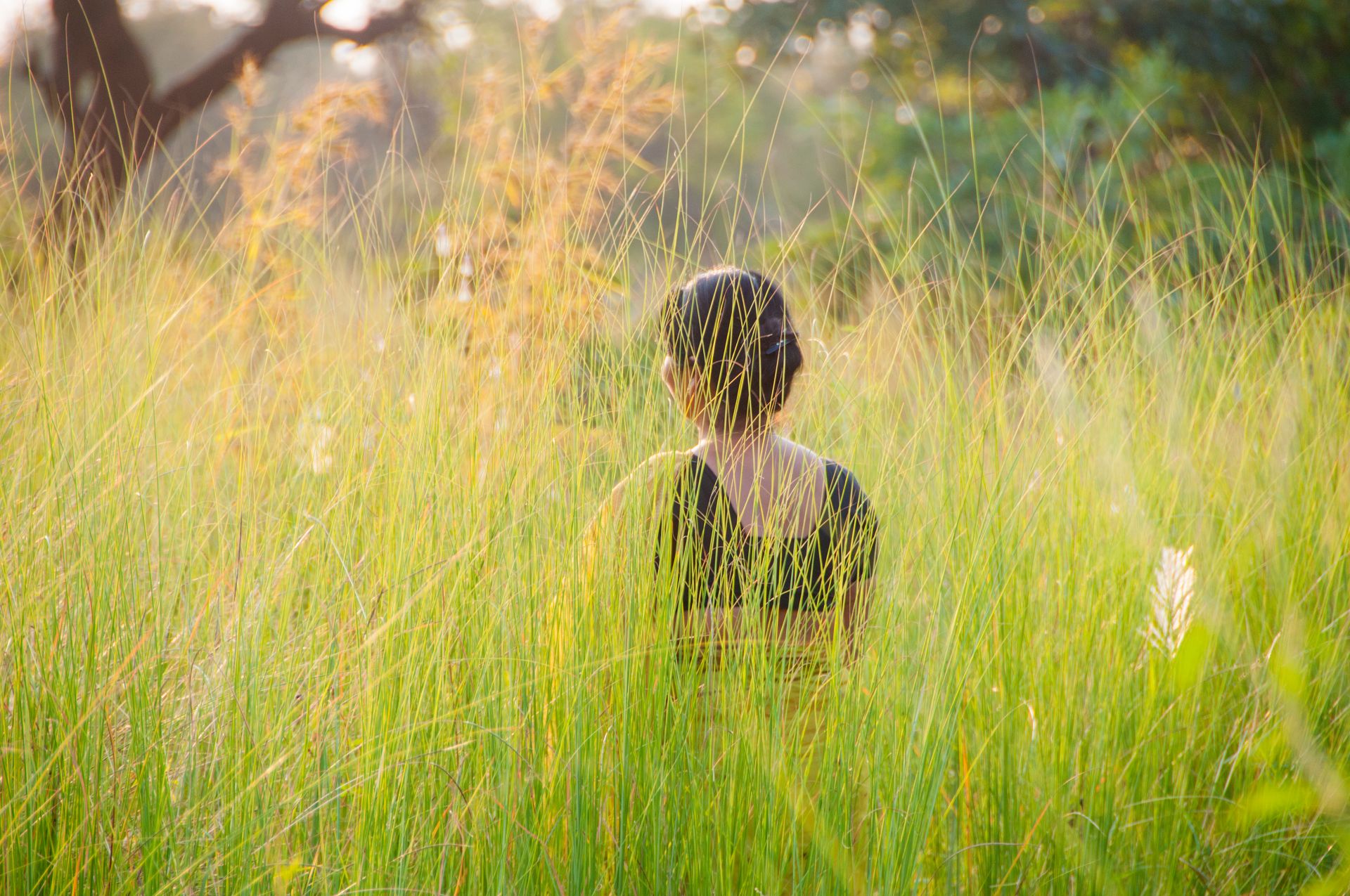
The research on nature exposure and anxiety has matured dramatically over the past decade. Bratman et al.’s 2015 PNAS study showed that a 90-minute walk in nature reduced rumination — the cognitive engine of chronic anxiety — and decreased activity in the subgenual prefrontal cortex, the brain region most associated with depressive and anxious self-referential thought. A 90-minute walk in an urban environment produced no such effect.
The mechanism is multi-layered: visual complexity of natural environments engages the brain’s involuntary attention system, allowing the directed attention system to rest. Phytoncides (volatile compounds emitted by trees) have measurable physiological effects on stress hormones. Sunlight regulates the circadian rhythm that practice #1 depends on. And the absence of digital stimulation removes the constant load that drives sympathetic activation.
What to do:
- Get outside daily, even briefly. The dose-response relationship suggests benefit begins around 20 minutes and increases through about 120 minutes per week of nature exposure.
- Morning sunlight within 30 minutes of waking — the most leveraged version of this practice. Five to ten minutes of direct light to the eyes (no sunglasses) anchors your circadian rhythm for the entire day.
- Choose trees over concrete when possible. Parks, forest trails, even tree-lined streets outperform paved urban environments.
- Leave the phone behind. The intervention only works at full strength when you are actually present in the environment, not scrolling through your phone within it.
Free, available, neglected. Treat it as medication.
5. Practice Mindfulness — But Understand Its Limitations
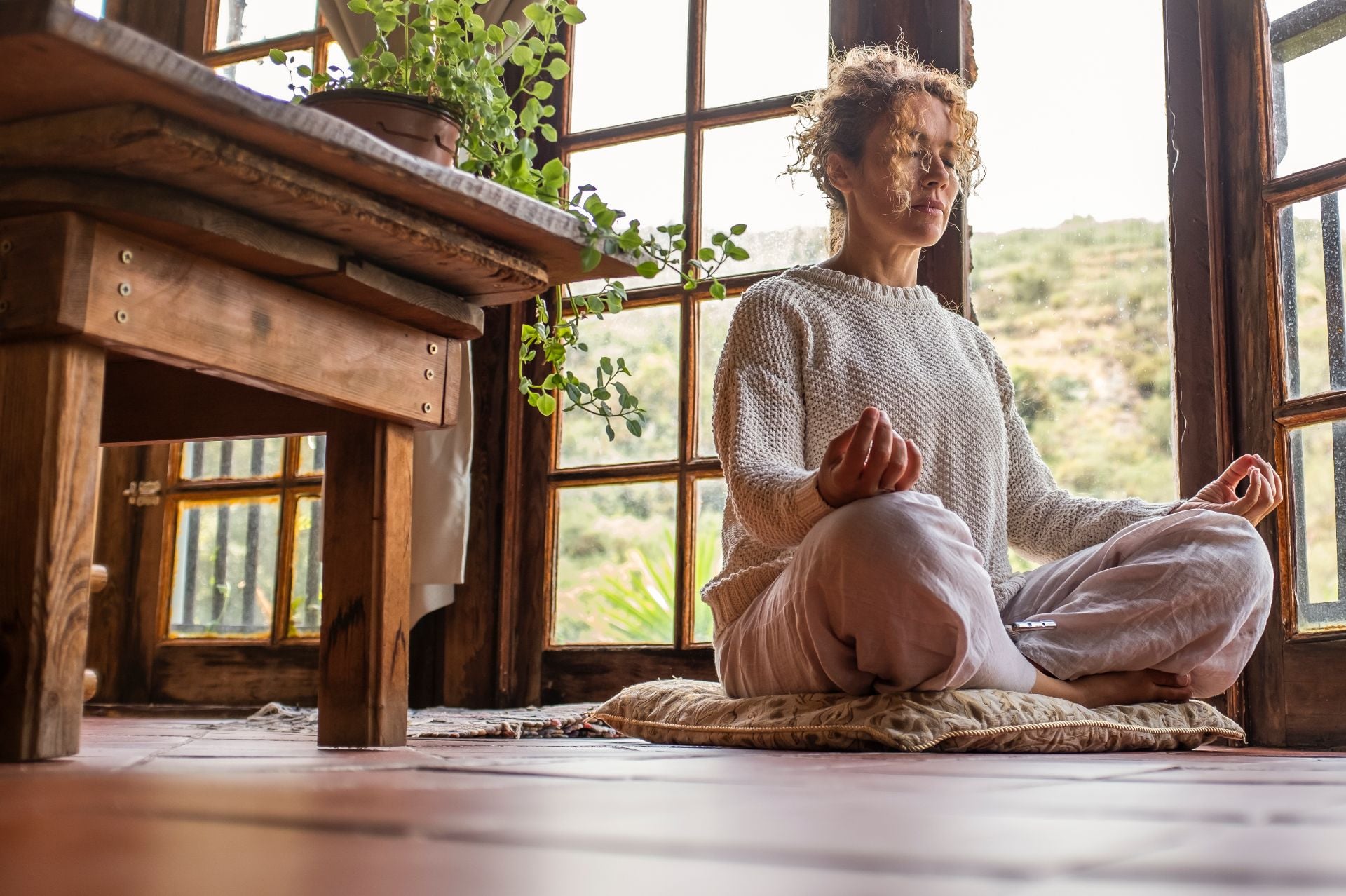
Mindfulness meditation has substantial evidence behind it for anxiety reduction. Hofmann et al.’s 2010 meta-analysis in the Journal of Consulting and Clinical Psychology demonstrated moderate to large effect sizes for mindfulness-based interventions on anxiety symptoms. Hoge et al.’s 2013 RCT specifically tested mindfulness-based stress reduction in generalized anxiety disorder patients and found significant reductions in anxiety symptoms and physiological reactivity.
So practice it. The evidence is real.
But also — and this is the part most articles refuse to say — mindfulness is not the universal solution it is sometimes marketed as. For a meaningful subset of practitioners, mindfulness practice alone is insufficient or even counterproductive. People with significant trauma history, people who tend toward dissociation, people who use thinking as their primary coping mechanism — these populations often find that sitting still in silence amplifies rather than reduces their anxiety, at least initially.
If you have tried meditation and it has made your anxiety worse — if sitting still has felt like being trapped with a brain that won’t stop, if the practice has produced shame on top of the anxiety it was supposed to address — read this carefully: you are not failing at meditation. Meditation is failing you. The activity is asking your nervous system to do something it does not currently have the capacity to do safely, and the appropriate response is not to try harder. It is to find a practice that delivers what meditation is supposed to deliver without the cost. That practice exists. We get to it in #9.
What to do:
- Twenty minutes daily of some form of formal meditation practice. Body scan, focused breath attention, open monitoring — the specific style matters less than the consistency.
- Use guided audio if silent practice doesn’t work. Tara Brach, Sharon Salzberg, Jack Kornfield, Sam Harris, and many others offer free or low-cost guided options.
- Don’t force it if it backfires. If sitting still in silence reliably worsens your symptoms, you may need a more active form of contemplative practice — walking meditation, mindful movement, or — as we’ll see in #9 — a practice that combines focused attention with embodied creative engagement.
- The eight-week MBSR course outperforms casual practice in the research. Worth the investment if accessible.
Effective. Necessary for many. Not sufficient for everyone.
6. Reduce Stimulants: Caffeine, Alcohol, News, and Screens
Every one of these inputs activates the sympathetic nervous system in some form. You may have made peace with one or all of them. The nervous system has not.
Caffeine directly raises cortisol and adrenaline, mimicking the physiological signature of anxiety. For sensitive individuals, even moderate caffeine produces measurable increases in anxiety symptoms. The threshold varies, but most chronic anxiety patients underestimate their personal sensitivity dramatically.
Alcohol initially calms the nervous system but produces rebound anxiety in the 12 to 24 hours after consumption — the “hangxiety” most regular drinkers know intimately. Chronic moderate drinking elevates baseline anxiety significantly.
News and social media are designed to capture and hold attention through threat signaling and outrage. Each scroll session is a small dose of sympathetic activation. The cumulative load across hours per day is substantial.
Screens generally disrupt circadian rhythm, dysregulate dopamine, and replace the unstructured time the nervous system needs for recovery.
What to do:
- Drop caffeine for two weeks and observe what happens to your baseline anxiety. You can reintroduce it if it doesn’t matter. Most people discover it matters more than they thought.
- Cap alcohol at two drinks per week, ideally zero. This is unfashionable advice. It is also what the data supports.
- Establish daily news and social media boundaries — defined time windows rather than continuous availability. Many people benefit from removing news apps entirely.
- No screens in the bedroom. This single change improves both sleep and morning anxiety levels measurably.
7. Restore Real Social Connection and Co-Regulation
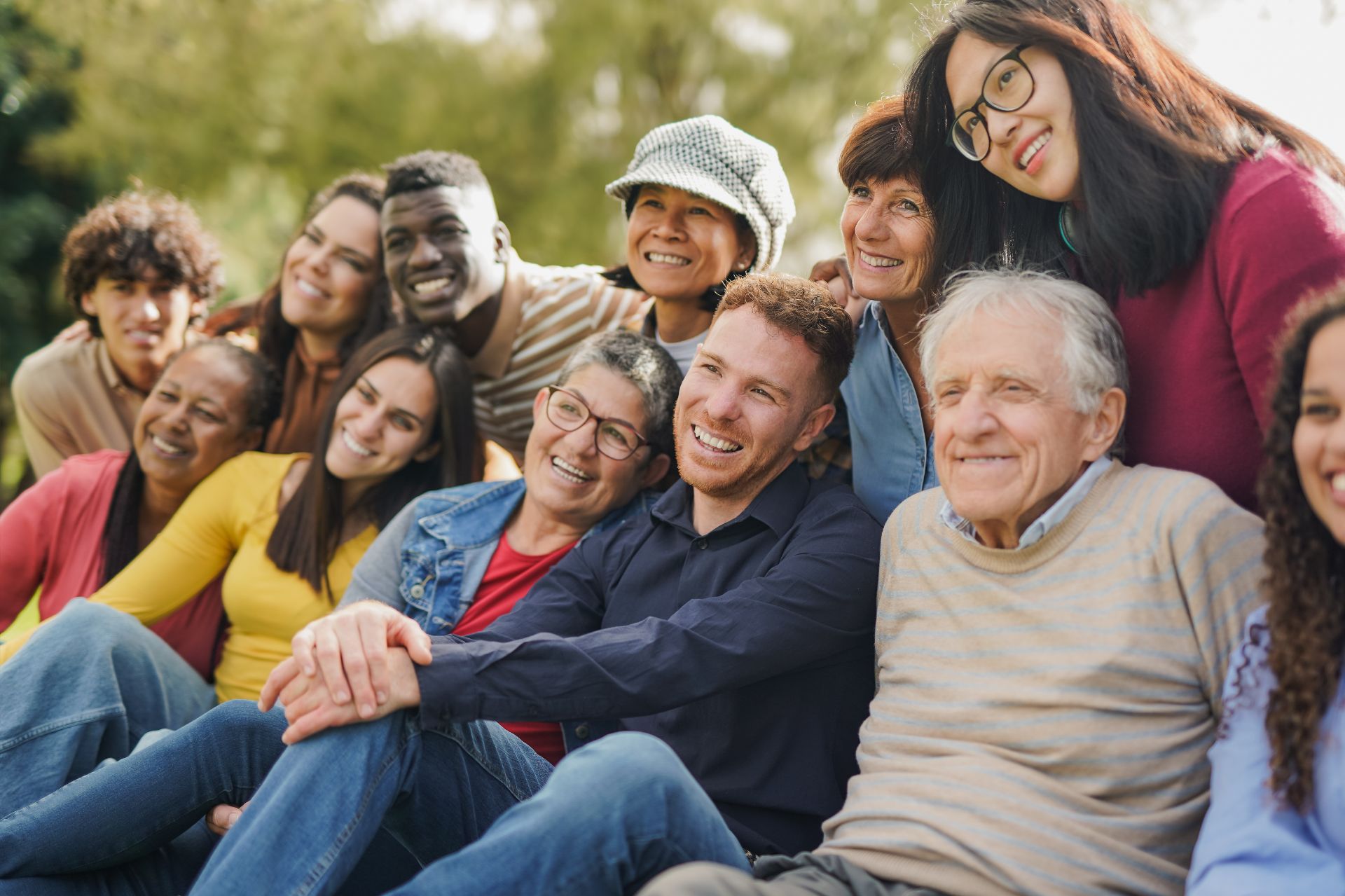
Stephen Porges’s polyvagal theory introduced a concept that decades of neuroscience research has continued to support: the human nervous system is fundamentally co-regulatory. We calm in the physical presence of other regulated humans. Trusted social contact is not a luxury for the anxious nervous system. It is a structural input the system requires.
Loneliness — defined as the subjective sense of social disconnection, not the objective number of contacts — is strongly correlated with chronic anxiety. Julianne Holt-Lunstad’s meta-analyses have demonstrated that social isolation carries health risks comparable in magnitude to smoking 15 cigarettes a day.
What to do:
- In-person contact with trusted humans, regularly. Video calls and text exchanges have value but do not deliver the same regulatory effect as physical presence. The nervous system reads embodied co-presence as safety.
- Long-form conversation, not just transactional exchange. Brief surface contact does not produce the parasympathetic shift that sustained connection does.
- Touch when appropriate. Hugs, hand-holding, even brief contact with trusted people produces measurable oxytocin release and downregulates the threat response.
- Tend the closest relationships first. Quality over quantity is well-supported. Two or three deeply trusted relationships produce more regulatory benefit than twenty acquaintances.
- Treat isolation as a clinical issue. If you have been alone for weeks and your anxiety has worsened, those facts are connected. Reconnection is part of the protocol, not separate from it.
8. Eat for Your Nervous System: The Gut-Brain Foundation

The relationship between gut health and anxiety has shifted from speculation to established science over the past decade. The gut microbiome produces roughly 90% of the body’s serotonin, manufactures multiple neurotransmitters that signal to the brain via the vagus nerve, and shapes the inflammatory state that affects mood regulation. The foundational work of Cryan and Dinan on the gut-brain axis has been replicated and expanded extensively.
This means what you eat directly affects your anxiety — not through some vague wellness mechanism, but through measurable changes in the microorganisms producing your neurotransmitters.
What to do:
- Eat fiber-rich whole foods. Diverse vegetables, fruits, legumes, and whole grains feed the gut bacteria that produce neuroactive compounds. Modern processed-food diets starve them.
- Include fermented foods regularly. Yogurt with live cultures, kefir, sauerkraut, kimchi, miso. These directly add beneficial bacteria.
- Eat omega-3 rich foods or supplement. Multiple meta-analyses have linked omega-3 intake (EPA and DHA specifically) with reduced anxiety. Fatty fish, walnuts, flax — or a quality supplement.
- Stabilize blood sugar. Hypoglycemic episodes mimic anxiety symptoms physiologically. Regular protein, fiber, and balanced meals matter more than time-restricted eating fads for anxiety patients.
- Watch ultra-processed foods. Multiple studies have linked high-UPF diets with worse mental health outcomes, independent of total calories.
- Hydration. Mild dehydration measurably elevates cortisol. Two to three liters of water daily, more if exercising.
Your gut is talking to your brain constantly. Choose what it says.
9. Make Art: The Underrated Productive Meditation
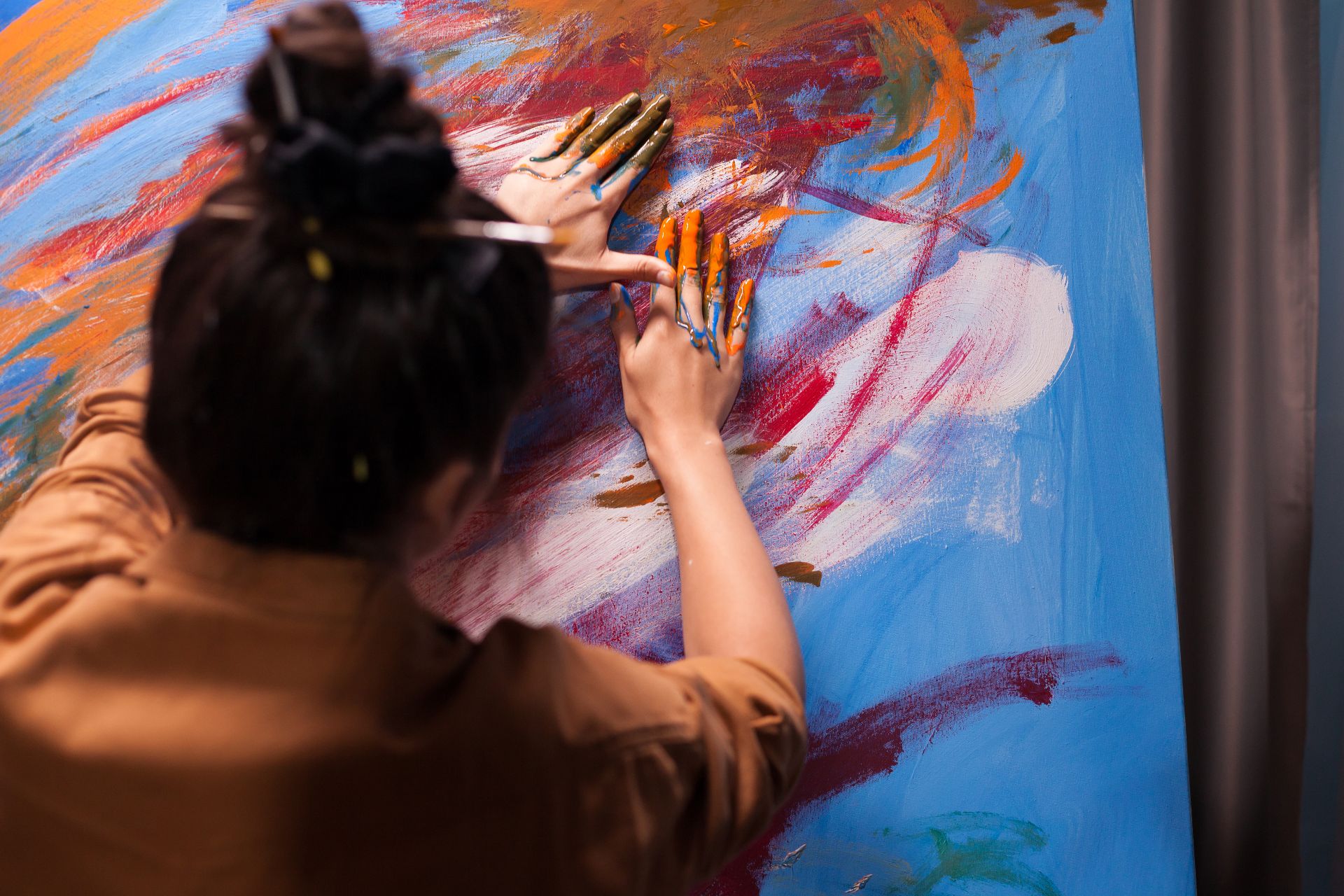
Forty-five minutes. Seventy-five percent of participants showed a measurable drop in cortisol — the body’s primary stress hormone. The activity was art-making. The intervention was nothing more than putting paper, markers, clay, and collage materials in front of adults and asking them to use them. The researchers compared the cortisol response to having a prior art background. The correlation was zero. The people who said they had never made anything in their lives had the same physiological response as experienced artists.
That study, run by Girija Kaimal’s team at Drexel University in 2016, is one of the strongest single-session anxiety interventions ever recorded in the literature. And almost nobody talks about it. Almost no one in the chronic anxiety population has ever tried it on purpose. If you have spent years working through sleep, exercise, meditation, breathwork, nature, nutrition, and stimulant reduction — and your anxiety still has not moved the way you hoped — there is a category of intervention you have almost certainly not tried, and the evidence for it is stronger than most people realize.
Subsequent research has continued to support and extend the finding. Stuckey and Nobel’s 2010 review in the American Journal of Public Health synthesized evidence across creative arts and health, documenting reduced stress, improved emotional regulation, and improvements in immune function. Bolwerk et al.’s 2014 study in PLOS ONE showed that visual art production — not consumption — produced measurable changes in functional brain connectivity associated with psychological resilience.
The reason this works is not mystical. Art-making is, functionally, a form of productive meditation. It engages focused attention the way meditation does. It produces flow states the way meditation does. It downregulates the default mode network the way meditation does. But it adds three things meditation alone does not: kinesthetic engagement of the body, expressive output of emotional content, and a tangible sense of agency and creation. For the substantial population of people who find sitting silently with their thoughts amplifies their anxiety, art-making does what meditation is supposed to do — while bypassing what makes meditation backfire.
The reason almost no one tries this is the same reason almost no one tries anything genuinely useful for anxiety: it sounds too simple, too soft, too unserious to be a real intervention. We are conditioned to believe that the things that heal us must be effortful, painful, or expensive. Art-making is none of those. It is a 45-minute activity with the materials of a kindergarten classroom. The Kaimal study is the data that tells you to take it seriously anyway.
There is one more reason art-making outperforms most expectations as an anxiety practice, and it is the one almost no clinician will name. Art-making is meaning-making. It is one of the few activities left in secular modern life that engages the same faculties — imagination, value, beauty, integration of inner experience into an external object — that ritual, prayer, and contemplation engaged for most of human history. Meditation regulates the nervous system. Breathwork shifts the vagal tone. Exercise moves the chemistry. Art-making does all of those things and also touches the dimension where meaning lives. For the person whose anxiety is partly a meaning problem, this matters more than the cortisol data alone suggests.
What to do — in the next 24 hours:
- Buy a basic set of materials. Paper, watercolors or acrylics, a few markers, some clay, collage materials. Total cost under $40 at any art supply store or online. Do this today.
- Block a 45-minute window on your calendar for tomorrow. Not “when I have time.” A specific window. Treat it like a medical appointment, because functionally it is one.
- When the time comes, set the materials in front of you and use them. Do not try to make something good. Do not have a goal. Do not show anyone. Make something.
- Repeat three times in the first week. That is your clinical dose.
- Check in with yourself at the end of week one. Notice your baseline anxiety level versus where you started. The Kaimal data predicts you will measure a change. Trust your own measurement.
If anxiety patterns are deeply embedded, consider working with a trained art therapy practitioner. The practice you do alone is powerful. The practice guided by someone trained to direct creative expression at specific emotional patterns is more powerful.
This is the underdog of the natural anxiety toolkit. It deserves better. It probably deserves your next 45 minutes.
How to Naturally Calm Anxiety: A Realistic Timeline
Chronic anxiety that built over years rarely resolves in weeks. The most common reason people abandon natural anxiety interventions is that they expect rapid change and quit when they don’t get it.
Honest expectations:
- Days to weeks — breathing work, sleep optimization, and reducing stimulants often produce noticeable nervous system shifts within a few days.
- Two to six weeks — the foundational practices (sleep, movement, breath, nutrition) begin to compound. People typically report a clearer baseline by this point.
- Eight to twelve weeks — neural pattern retraining from mindfulness and art-making practices begins producing durable change. Default-mode-network rumination patterns shift.
- Three to six months — fully integrated lifestyle change produces structural and neurological adaptations that hold across periods of stress.
The reframe that makes this work: these practices are not a treatment to complete. They are an ongoing relationship with the systems that produce your anxiety. The anxiety becomes the signal that some part of the system needs attention, not the enemy you are perpetually fighting.
Getting Help With Anxiety Relief — What to Look For in a Health Practitioner
Some readers will work through these practices alone and see meaningful results. Others — particularly those with deeper or longer-standing anxiety — will benefit from professional support. The practitioner you choose matters more than the title on the door.
What works, regardless of profession:
- A model of anxiety that integrates the nervous system, the body, the social environment, and the cognitive level — not a single-dimension framework that addresses only thoughts, or only behavior, or only chemistry.
- A focus on root causes alongside symptom management. A practitioner whose entire intervention is symptom-suppression is missing most of the work.
- Active practices delivered between sessions, not just talk during sessions. The nervous system rewires through repeated practice, not through insight alone.
- Comfort with the body. A practitioner who treats anxiety as a head problem and ignores the body is operating with outdated information.
- A coaching model with meaningful daily practice expected, not just appointment-based care.
What underperforms and what to skip:
- Practitioners who lead immediately with medication as the sole intervention. Medication has a role for many people; it is rarely the complete answer for chronic anxiety.
- Pure talk-therapy approaches that ignore the somatic, behavioral, and lifestyle drivers entirely.
- Anxiety coaching from social media personalities without credentials. The space is full of confident voices selling certainty without expertise.
- Anyone who tells you your anxiety has a single cause or a single solution.
On the role of medication: anxiety medication is not the enemy. For severe presentations, it can be the bridge that allows the rest of the work to become possible. The reasonable framing is that medication addresses acute symptoms while the practices in this article address root causes. Many people use both, in coordination with a prescriber, and graduate off medication once root-cause interventions are established. Others stay on medication long-term while doing the deeper work. Neither path is wrong. What is wrong is treating medication as the entire solution.
Some Practitioners Who Specialize in Root-Cause Anxiety Work
Most of the practices in this article on how to naturally calm anxiety are delivered or supported by wellness practitioners working outside the standard pharmaceutical model — movement coaches, breathwork instructors, integrative health professionals, nutritionists, sound therapists, and art therapy practitioners trained to address the root drivers of anxiety rather than chase its symptoms.
If teaching others how to naturally calm anxiety is the work you want to do — for yourself, for clients, or as a career — Scholistico’s six certification programs train practitioners in exactly these domains:
- Art Therapy Practitioner Certification — the deepest training in the underrated productive meditation framework, and how to deliver creative expression as a clinical-grade intervention for anxiety, trauma, and emotional regulation.
- Holistic Health Practitioner Certification — integrated frameworks for anxiety and complex chronic conditions.
- Movement Therapy Practitioner Certification — the embodied movement, breathwork, and nervous system regulation practices core to this article.
- Sound Therapy Practitioner Certification — vagal nerve stimulation through targeted acoustic interventions.
- Naturopathy Practitioner Certification — addressing the gut-brain axis, inflammation, and the metabolic foundations of nervous system health.
- Holistic Nutrition Consultant Certification — anti-inflammatory eating and microbiome support for the gut-brain pathway.
Each certification is self-paced, internationally recognized, and designed for practitioners who want to address root causes rather than symptoms. If you’ve worked through this article and felt the click of recognition — that there is more to this work than the prescription pad — these are the programs that train the people who deliver it.


Responses